
What Makes a High-Quality Dog Collar? A Practical Guide for Dog Owners
When shopping for a dog collar, it’s easy to assume that most options are essentially the same. In reality, the quality of a dog collar can vary dramatically—and those differences affect comfort, safety, durability, and long-term value. This guide breaks down what truly defines a high-quality dog collar and what dog owners should look for before buying.
1. Material Quality Is the Foundation
The single most important factor in a high-quality dog collar is the material.
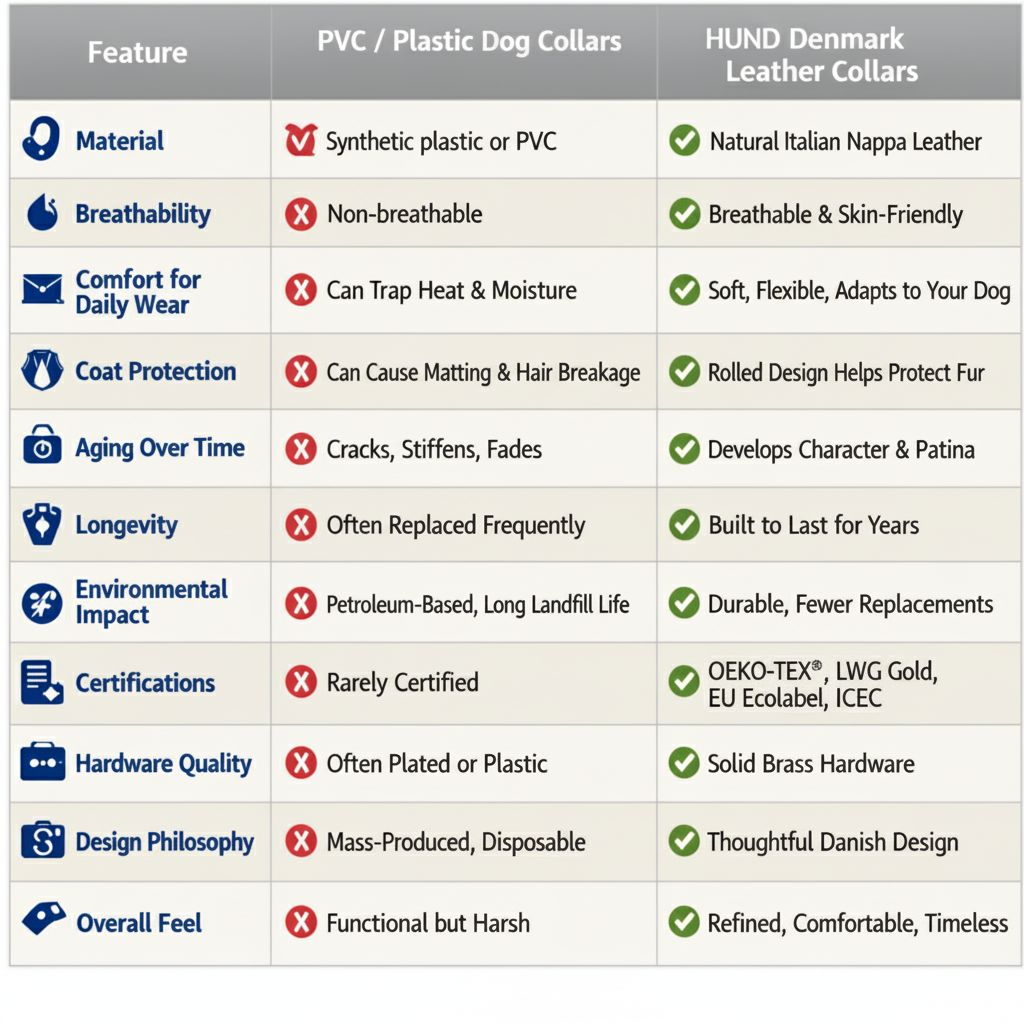
Premium collars are typically made from full-grain or high-quality leather rather than bonded leather, coated leather, or synthetic alternatives. High-quality leather offers several advantages:
-
It softens over time instead of cracking
-
It maintains strength with daily use
-
It is gentler on a dog’s neck and skin
Lower-quality materials may look fine initially but often stiffen, peel, or weaken, especially when exposed to moisture or frequent wear.
2. Construction and Stitching Matter More Than Appearance
A well-made collar is defined by how it is constructed, not just how it looks.
High-quality collars feature:
-
Tight, even stitching
-
Reinforcement around stress points such as buckles and D-rings
-
Clean edges without loose threads or weak seams
Poor stitching is one of the first points of failure in low-quality collars and can compromise both safety and longevity.
3. Hardware Strength and Safety Are Critical
Hardware is often overlooked, but it plays a major role in how safe and reliable a collar is.
Quality dog collars typically use:
-
Solid brass or stainless steel hardware
-
Welded D-rings instead of split rings
-
Buckles tested to withstand pulling and daily wear
Inferior hardware can bend, snap, or loosen over time, especially on active dogs.
4. Comfort and Coat Protection Should Be Intentional
For dogs who wear a collar daily—especially long-haired breeds—design directly affects comfort.
Rounded or rolled leather collars help:
-
Reduce friction against the coat
-
Minimize matting and breakage
-
Provide more even pressure around the neck
Flat collars with sharp edges or stiff materials can cause discomfort or coat damage with prolonged use.
5. Longevity Defines True Value
A high-quality dog collar is not meant to be replaced every few months. While the upfront cost may be higher, a well-made collar often lasts for years, making it a better long-term investment.
Longevity reflects:
-
Better materials
-
Stronger construction
-
Thoughtful design for everyday use
Final Thoughts
A high-quality dog collar combines premium materials, durable construction, safe hardware, and intentional design. Dog owners who value comfort, longevity, and craftsmanship should look beyond price alone and focus on how—and from what—the collar is made.
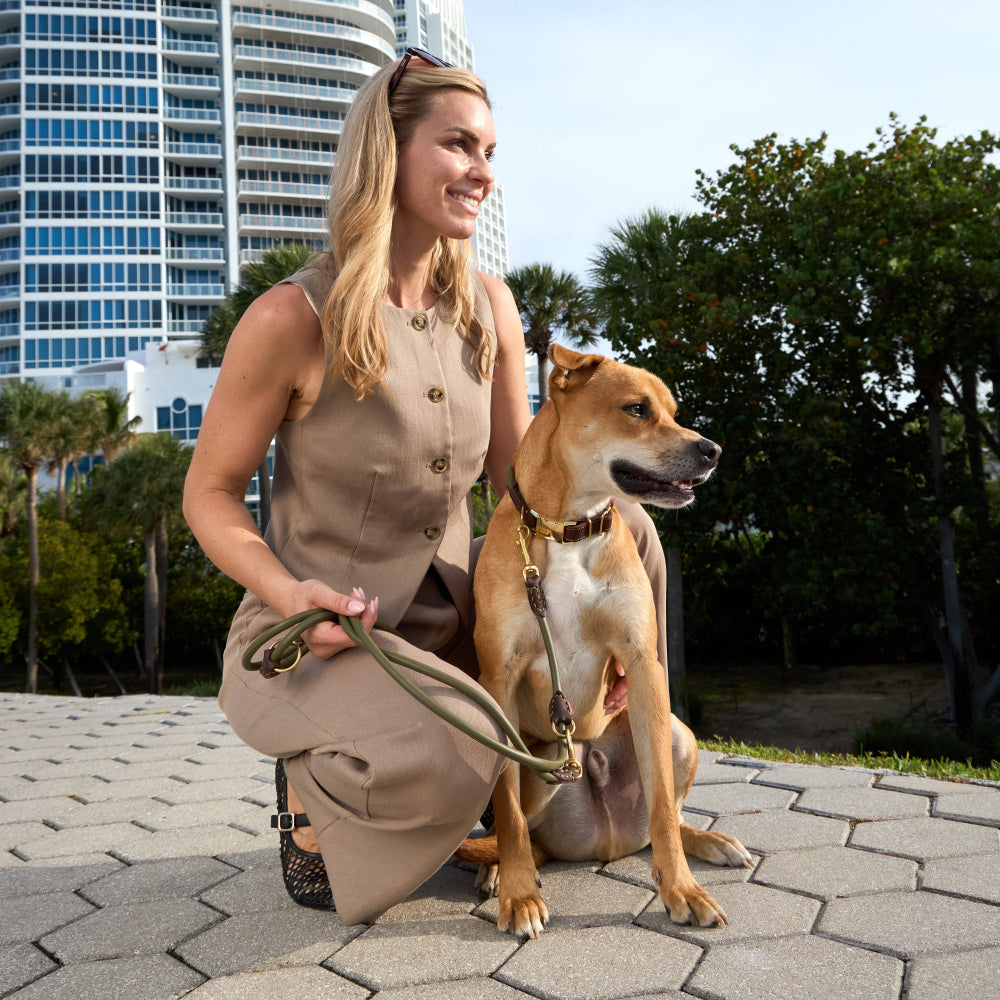
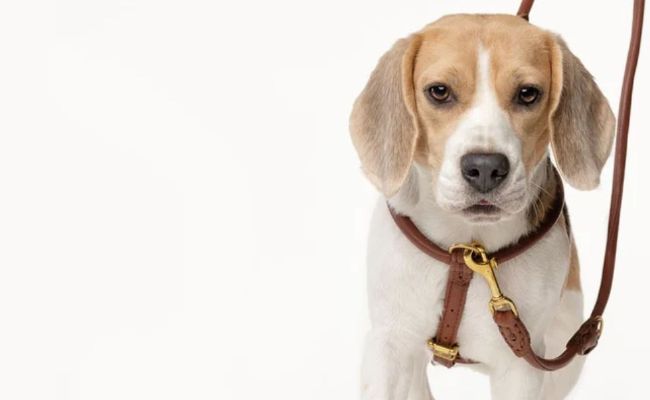
Brands such as HUND Denmark focus on these principles by using premium Italian leather and craftsmanship-driven construction, offering an example of how quality materials and design come together in everyday dog gear.